Telehealth ABA in Florida: Rules, Coverage & How It Works

In short: Telehealth ABA allows Florida families to access therapy from home. Florida Medicaid and most commercial plans cover telehealth ABA. A free service like Get Started with ABA can match your child with a vetted BCBA-led provider offering virtual sessions.
Key takeaways
- Telehealth ABA is widely available in Florida for children with autism, with coverage under both Florida Medicaid and private insurance.
- Florida requires providers to hold a valid state license and follow the same ethical standards as in-person therapy during telehealth sessions.
- Telehealth ABA often includes caregiver training, direct therapy, and behavior assessments delivered via video conferencing.
- You can get matched with a BCBA-led provider that offers telehealth through a free service like Get Started with ABA.
What Is Telehealth ABA Therapy?
Applied behavior analysis (ABA) therapy is an evidence-based approach to helping children with autism build communication, social, and daily living skills. Traditionally delivered in clinics, schools, or homes, ABA is increasingly offered through telehealth-meaning your child works with a board-certified behavior analyst (BCBA) or a registered behavior technician (RBT) via a secure video platform.
Telehealth ABA isn't just a stopgap during the pandemic. It has become a permanent option for many Florida families, especially those in rural areas or with busy schedules. Sessions can include direct instruction, behavior plan creation, caregiver coaching, and progress monitoring-all from your living room.
🔗 Related reading: Does Private Insurance Cover ABA in MA? · Find ABA Near Me
Florida Rules for Telehealth ABA
State Telehealth Laws and Licensure
Florida has robust telehealth regulations that apply to ABA providers. A key rule: the BCBA or RBT must be licensed in Florida and physically located in the state during the session. Out-of-state providers cannot deliver telehealth to a Florida resident without first obtaining a Florida telehealth registration or license.
The Florida Board of Medicine and the Florida Department of Health oversee telehealth practice. Providers must follow the same standard of care as in-person visits, including maintaining confidentiality, obtaining informed consent for telehealth, and documenting sessions properly.
Medicaid and Insurance Compliance
Florida Medicaid explicitly covers telehealth ABA, including both direct therapy and caregiver training. Private insurers regulated by the Florida Office of Insurance Regulation generally must cover ABA as an essential health benefit under the Affordable Care Act, and many include telehealth as an option. However, coverage details vary by plan-always verify with your insurance company before starting.
Parental Involvement Requirements
For telehealth ABA to be effective, a parent or guardian must be present during sessions, especially for young children. The BCBA may provide real-time coaching to the parent, who then implements strategies between sessions. This arrangement is often required by insurance and is a core part of the therapy model.
Insurance and Medicaid Coverage for Telehealth ABA in Florida
Florida Medicaid
Florida's Medicaid program covers ABA therapy through its Statewide Medicaid Managed Care plans and the fee-for-service system (including iBudget and other waivers). Telehealth ABA is covered at the same rate as in-person services. To access Medicaid ABA, your child must have an autism diagnosis and a prescription from a licensed physician.
Private Insurance
Most major commercial insurance plans in Florida-including Aetna, Cigna, UnitedHealthcare, and Florida Blue-cover ABA therapy, and many have expanded telehealth benefits. Check if your plan covers live video sessions (synchronous telehealth) and whether it requires prior authorization. Some plans may also cover remote patient monitoring or parent training via phone.
No-Cost Guidance from Get Started with ABA
Navigating insurance for telehealth ABA can be confusing. A free matching service like Get Started with ABA can help you find providers that accept your specific plan and offer telehealth sessions. They work with vetted, BCBA-led providers across Florida, saving you hours of research.
🔗 Related reading: ABA Therapy for 1-Year-Olds: Early Intervention Guide · Local ABA Therapy
How Telehealth ABA Works: Step-by-Step
Step 1: Assessment and Goal Setting
After you connect with a provider (often through a free matching service), the BCBA will conduct a telehealth assessment. This typically involves a video call where they observe your child, interview you, and review any previous evaluations. The BCBA then creates an individualized treatment plan with measurable goals.
Step 2: Scheduling and Technology Setup
You'll agree on a recurring session time (e.g., three times per week for two hours). The provider will send a secure video link-no special software needed, just a stable internet connection and a device with a camera and microphone. Most sessions use HIPAA-compliant platforms like Zoom for Healthcare or Doxy.me.
Step 3: Session Structure
A typical telehealth ABA session includes:
- Direct therapy: The BCBA or RBT guides your child through activities using the camera. They may use toys, prompts, and positive reinforcement-just like in person.
- Caregiver training: The BCBA teaches you how to implement behavior strategies during daily routines like mealtime, bedtime, or transitions.
- Data collection: The provider records behavior and progress in real time or asks you to share observations.
Step 4: Ongoing Progress Monitoring
The BCBA reviews data after each session and adjusts the plan as needed. You'll receive regular progress reports and can discuss concerns during sessions or via secure messaging.
What to Expect in a Telehealth ABA Session
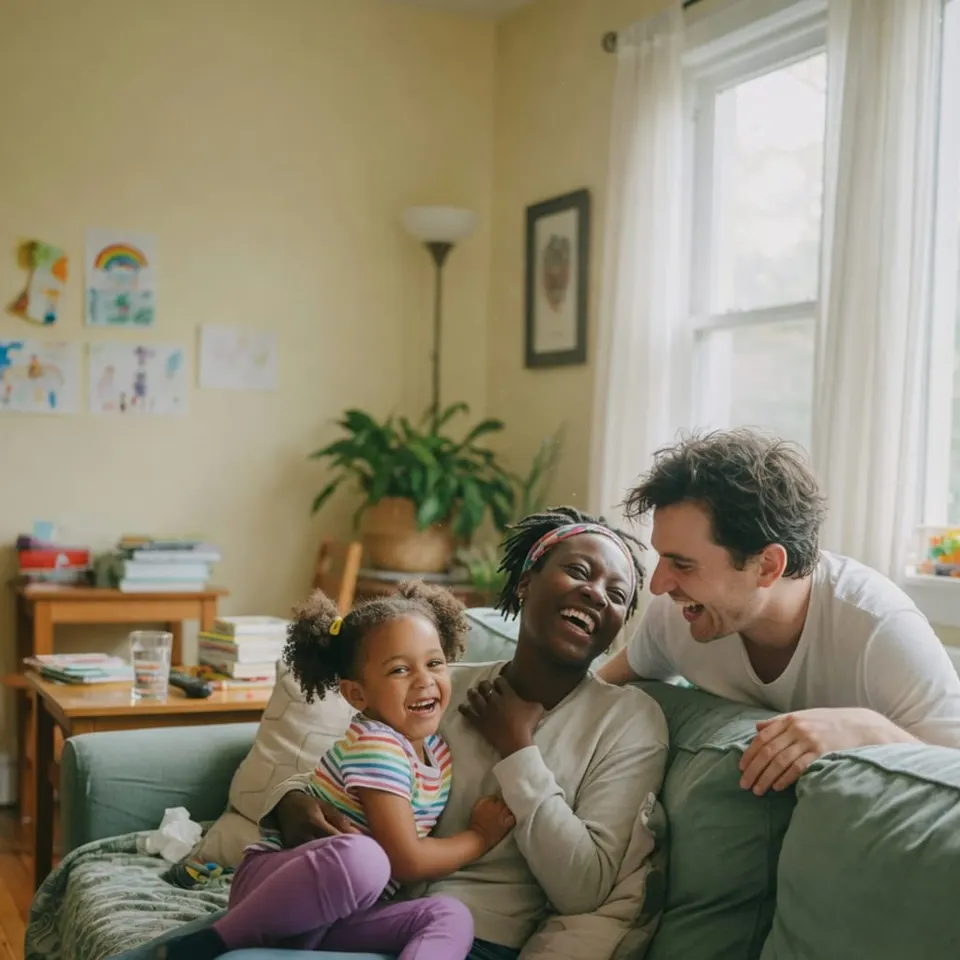
Your first few sessions will focus on building rapport between the therapist, your child, and you. The environment matters: set up a quiet, clutter-free space with minimal distractions. Have preferred toys or reinforcers nearby. The BCBA will guide you on how to position the camera so they can see your child clearly and interact effectively.
Sessions may look different for each child. Some children engage directly with the therapist on screen; others need the parent to serve as a 'co-therapist' who follows the therapist's instructions. Both approaches are effective.
You don't need to be a trained therapist. The BCBA will explain each activity step by step. Over time, you'll gain confidence in using ABA strategies at home, which often leads to faster progress.
Who Can Benefit from Telehealth ABA (and Who Might Not)
Ideal Candidates
- Children with mild to moderate autism who can attend to a screen for short periods are great candidates.
- Families in remote areas of Florida, such as the Panhandle or rural counties, where in-person providers are scarce.
- Families with tight schedules who cannot travel to a clinic multiple times a week.
- Children who have already established a relationship with a BCBA in person may transition well to telehealth.
Considerations
- Very young children (under 3) or those with severe attention difficulties may struggle with screen-based therapy.
- Children who require extensive physical prompting may find telehealth less effective.
- If your child has significant medical needs that require hands-on support, in-person therapy is usually recommended.
A good BCBA will help you decide whether telehealth or in-person is best for your child. Many providers offer a hybrid model-some sessions at home, some via telehealth.
Practical Tips for Success with Telehealth ABA
- Test your tech beforehand: Check your internet speed (minimum 10 Mbps download recommended), camera, and microphone.
- Create a dedicated therapy space: Use the same spot each day to help your child transition into session mode.
- Be prepared to participate: Your presence is key. The BCBA will often ask you to sit near your child to help with prompting and redirection.
- Eliminate distractions: Turn off the TV, put away other devices, and inform family members not to interrupt.
- Keep reinforcers ready: Small snacks, favorite toys, or stickers that the BCBA can use as rewards during the session.
- Be patient: The first few sessions may feel awkward. Consistency will make it easier.
How to Get Started with Telehealth ABA in Florida
The quickest way to begin is through a free matching service like Get Started with ABA. You'll answer a few questions about your insurance, your child's age and diagnosis, and your preference for telehealth. The service then connects you with BCBA-led providers in Florida who offer telehealth and accept your insurance. There's no cost to you-the service is free.
Once matched, the provider will handle the intake, assessment, and authorization process. You can often start telehealth sessions within a couple of weeks, depending on insurance approval.
Telehealth ABA is a flexible, effective option for many Florida families. By understanding the rules, coverage, and process, you can make an informed decision and get the support your child deserves-from the comfort of home.