ABA Therapy for Verbal vs Nonverbal Children: A Parent's Guide
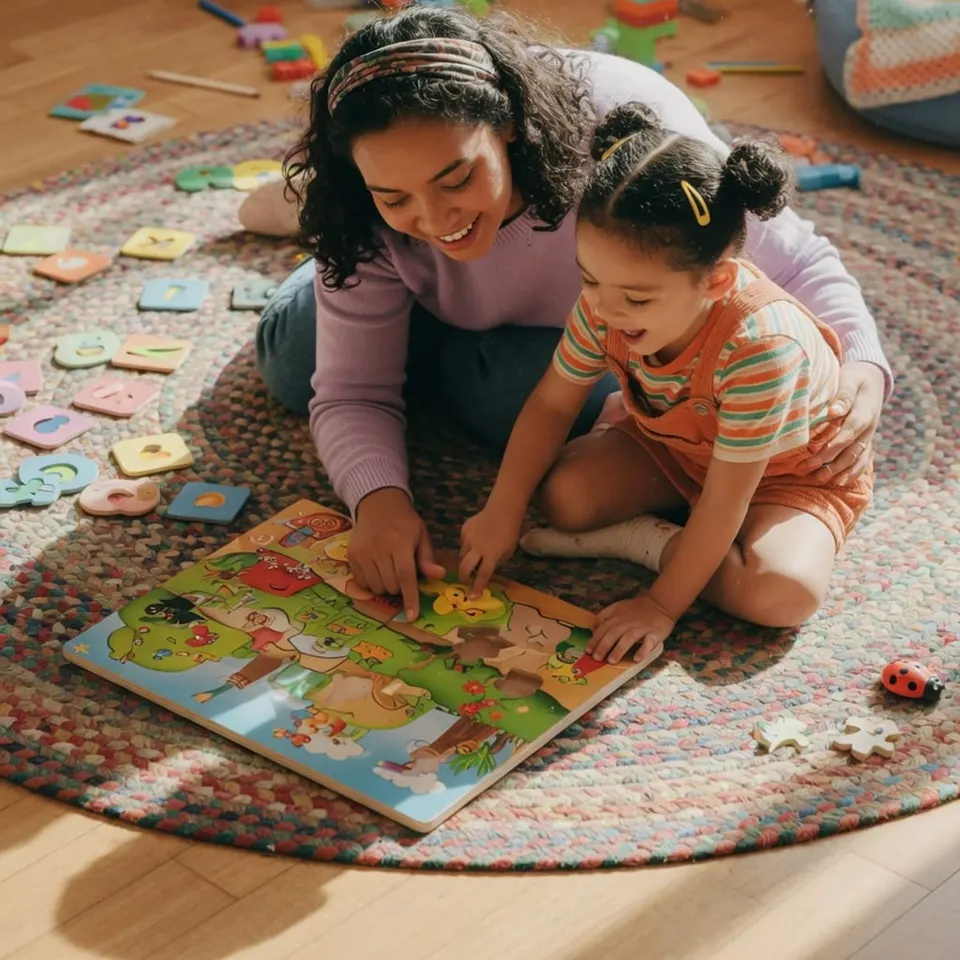
In short: ABA therapy is highly individualized. For verbal children, it often focuses on conversational skills and social nuances. For nonverbal children, it prioritizes building any effective communication system-whether through speech, AAC devices, or sign language. Both approaches aim to reduce challenging behaviors and increase functional communication.
Key takeaways
- ABA therapy is not one-size-fits-all; goals differ based on a child's current communication level.
- Verbal children often work on pragmatic language, conversation maintenance, and social reciprocity.
- Nonverbal children may focus on pre-linguistic skills, using AAC (augmentative and alternative communication), and building functional communication.
- Both groups benefit from reinforcement strategies that increase desired behaviors like requesting, commenting, or protesting appropriately.
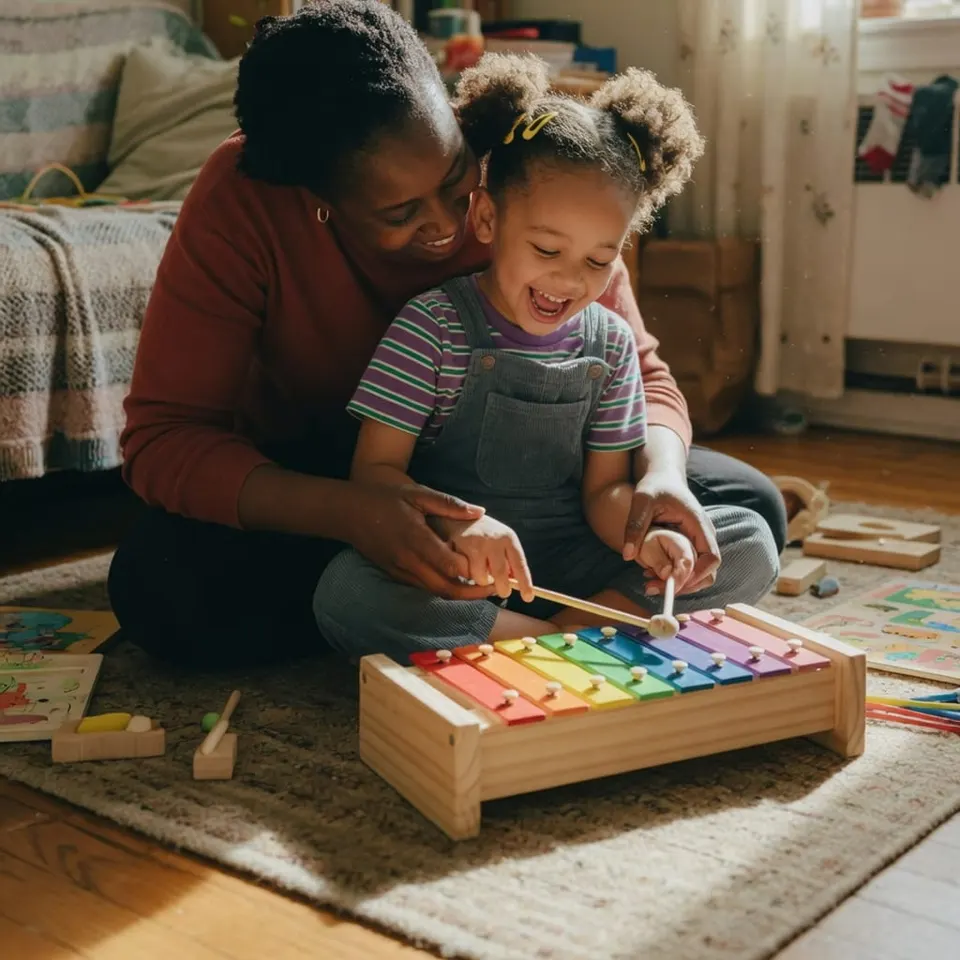
When you're exploring ABA therapy for your child with autism, one of the first questions you might ask is: Will this approach work differently depending on whether my child is verbal or nonverbal? The short answer is yes-but not in the way you might think. ABA (applied behavior analysis) is inherently individualized. A Board Certified Behavior Analyst (BCBA) designs every program based on your child's specific strengths, challenges, and communication style. Whether your child uses spoken language, an AAC device, sign language, or no formal system yet, ABA can be adapted to help them communicate more effectively and build meaningful skills.
Understanding "Verbal" and "Nonverbal" in the Autism Context
First, let's clarify what these terms mean. In the autism community, "verbal" usually refers to someone who uses spoken language as their primary mode of communication. "Nonverbal" (or, more accurately, "minimally verbal") describes individuals who do not use spoken words reliably or at all. However, many nonverbal children are fully capable of understanding language-they may simply need an alternative way to express themselves.
Person-first language respects the whole child. You might say "my child who is nonverbal" or "my child with limited speech." What matters most is focusing on the child's potential to communicate in whatever form works for them.
🔗 Related reading: My Child Keeps Running Away: Eloping in ABA Explained · Local ABA Therapy
How ABA Approaches Differ for Verbal vs Nonverbal Children
While the underlying principles of ABA (reinforcement, prompting, data-driven decisions) remain the same, the specific goals and techniques shift based on a child's current communication abilities.
For Verbal Children
Verbal children in ABA often work on:
- Conversational skills: Taking turns, staying on topic, asking follow-up questions.
- Social pragmatics: Understanding tone of voice, sarcasm, or when to share space.
- Expanding language complexity: Using longer sentences, describing events, or telling stories.
- Reducing repetitive or scripted speech: Teaching flexible responses instead of rote phrases.
- Self-advocacy: Expressing needs, saying "no," or requesting breaks appropriately.
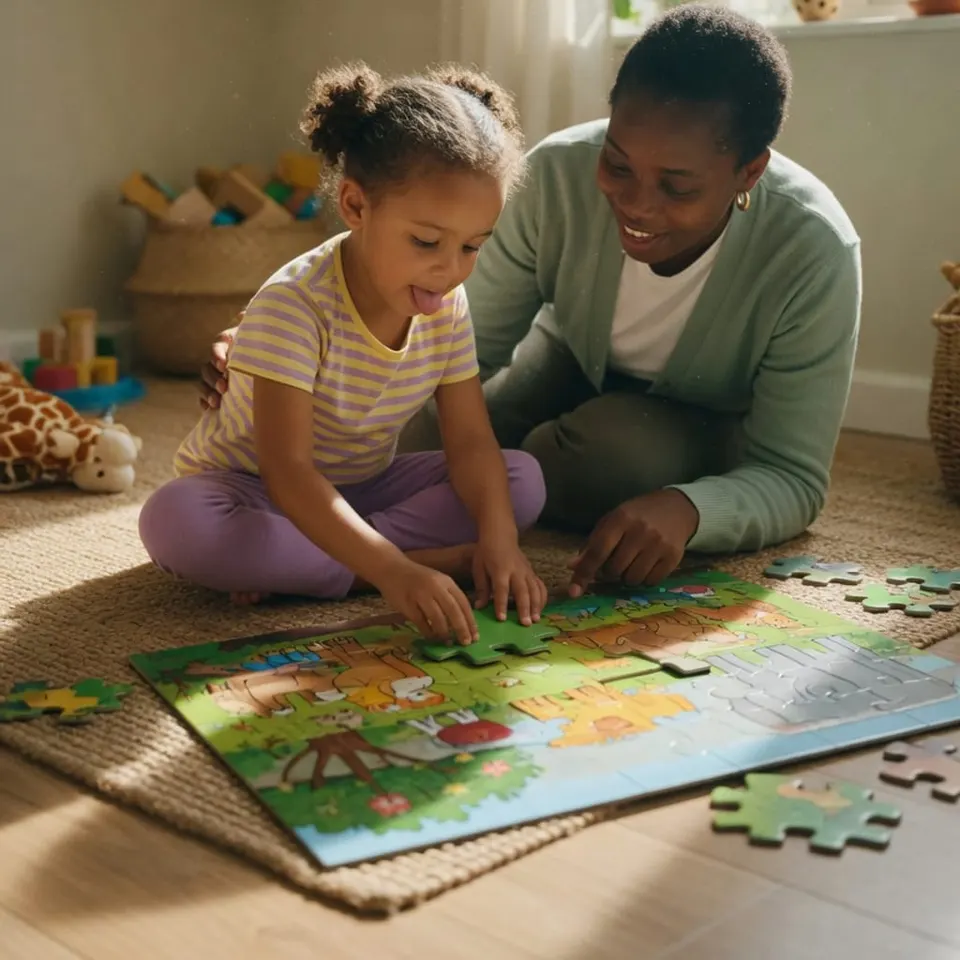
A common technique is natural environment teaching (NET), where skills are practiced in everyday situations-like ordering at a restaurant or chatting with a peer. Verbal children often respond well to role-playing and video modeling.
For Nonverbal Children
For children who are nonverbal (or minimally verbal), the first priority is establishing a functional communication system. Goals may include:
- Pre-linguistic communication: Eye contact, reaching, pointing, or vocalizing to gain attention.
- Teaching alternative communication: Using picture exchange (PECS), speech-generating devices, or sign language.
- Functional requesting: Requesting preferred items or activities through any modality.
- Receptive language: Following one-step instructions, identifying objects when named.
- Reducing challenging behaviors: Many meltdowns or aggression occur because a child cannot express frustration-teaching communication reduces those behaviors.
Behavior analysts use mand training (teaching a child to "mand" or request what they want) as a foundational skill. The child learns that communicating gets them something desirable, which increases motivation.
The Role of Augmentative and Alternative Communication (AAC)
AAC devices-both low-tech (picture cards) and high-tech (tablet-based apps like Proloquo2Go or LAMP)-are powerful tools. ABA providers incorporate AAC by teaching the child to use the device in a functional way, not just as a rote response. For example, they might teach the child to press a button for "I want cookie" and then immediately reinforce with the cookie.
Some parents worry that using AAC will prevent speech development. Research shows the opposite: AAC can actually support speech by reducing frustration and giving the child a reliable way to interact. The BCBA works with a speech-language pathologist (SLP) when possible to ensure consistency.
🔗 Related reading: Head Rolling in Autism: ABA Therapy Guide · Local ABA Therapy
Setting Goals: Expressive vs Receptive Language
Both verbal and nonverbal children need goals in two areas:
- Expressive language: What the child communicates to others (speech, sign, AAC, gestures).
- Receptive language: What the child understands (following directions, identifying objects).
A verbal child might have an expressive goal like "Will start a conversation with a peer 3 times per session." A nonverbal child might have "Will select a picture of a preferred item from a choice board to request it with 80% accuracy." Both goals are equally valid and tracked with data.
What Providers Look For in an Assessment
A BCBA will conduct a functional assessment that considers:
- Current communication forms (any words, sounds, gestures, or device use).
- Receptive language level (can the child follow instructions?).
- Motivation (what items or activities does the child work for?).
- Behavior functions (is a behavior communicating something?).
- Family goals (what do you most want your child to achieve?).
Based on this, they write an individualized treatment plan. The plan is not forever-it adapts as the child progresses. Some children start nonverbal and later develop spoken words; others continue to rely on AAC. Both outcomes are positive if the child can communicate and live happily.
Insurance Coverage and Cost
ABA therapy is widely covered by private health insurance, including employer plans and ACA marketplace plans. Most states also mandate coverage for autism therapies. In addition, Medicaid (in many states through programs like Early Intervention, home- and community-based waivers, or state-specific autism demonstration projects) often covers ABA for both verbal and nonverbal children when it is deemed medically necessary.
Because you are looking for a service to connect you with providers, Get Started with ABA is a free matching service that helps families find vetted, BCBA-led providers in their area. They can verify your insurance benefits and even check if your plan covers ABA for a child who is nonverbal or verbal. There's no cost to you for this matchmaking service.
Practical Tips for Parents
- Be patient with progress: Communication gains can be slow, especially for nonverbal children. Celebrate small steps like a new sign or a first word.
- Use reinforcement consistently: Whatever communication method your child uses, respond quickly and positively when they try to express something.
- Collaborate with your BCBA and SLP: If your child has a speech therapist, share goals. Consistency across providers accelerates learning.
- Mistake to avoid: Don't assume a nonverbal child cannot understand you. Talk to them as you would a verbal child-describe what you're doing, label items, and give choices.
- Advocate for your child: If a provider says a nonverbal child "can't learn" certain skills, get a second opinion. ABA is grounded in the belief that every child can learn with the right teaching strategies.
How Get Started with ABA Can Help
Finding the right ABA provider for your child-whether they are verbal or nonverbal-can feel overwhelming. Every clinic has different specialties, and waitlists vary. Get Started with ABA is a free service that connects you with local, BCBA-led providers who have experience with children at all communication levels. Their team will ask about your child's needs, verify your insurance coverage, and help schedule initial assessments-all at no cost to you. It's a way to save time and feel confident that the provider you choose aligns with your family's values and your child's unique profile.
Whether your child is already using words or has not yet found their voice, ABA therapy offers a path toward increased communication, independence, and joy. The key is finding a provider who respects your child's current abilities while gently challenging them to grow.