Starting ABA Therapy for Your 2-Year-Old: A Comprehensive Guide
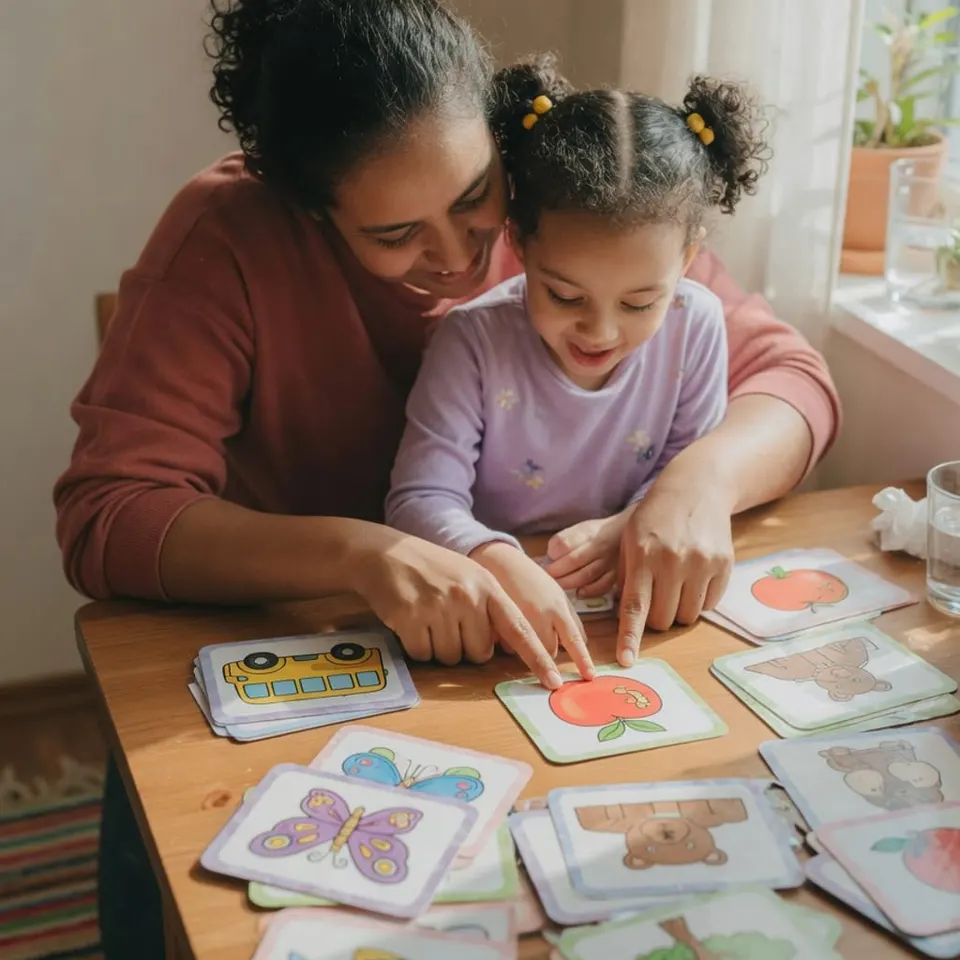
In short: ABA therapy can be highly effective for toddlers as young as 2, using play-based and naturalistic teaching methods to build communication, social, and self-help skills. Early intervention is key, and many insurance plans including Medicaid cover ABA. Get Started with ABA is a free service that helps you find a vetted, BCBA-led provider near you.
Key takeaways
- ABA for 2-year-olds uses play-based, naturalistic strategies that engage toddlers in learning.
- Early intervention at age 2 can significantly improve long-term outcomes for autistic children.
- Most insurance plans, including Medicaid, cover ABA therapy for medically necessary treatment.
- A Board Certified Behavior Analyst (BCBA) supervises all therapy and designs individual plans.
What Is ABA Therapy for a 2-Year-Old?
Applied Behavior Analysis (ABA) therapy for a 2-year-old looks very different from the structured table work often associated with older children. At this age, ABA is play-based, child-led, and embedded into daily routines. Therapists use natural environment teaching (NET) to turn everyday moments - like snack time, bath time, or playing with blocks - into learning opportunities. The goal is to build foundational skills in communication, social interaction, self-care, and emotional regulation, all while respecting your child's unique interests and pace.
ABA is the most widely researched and recommended therapy for autistic children. When started early, it can help a toddler learn to request items, make eye contact, imitate actions, follow simple instructions, and engage with peers. A BCBA (Board Certified Behavior Analyst) designs a personalized plan focused on your child's specific needs and strengths. Parent training is also a key part of the model, because you know your child best and can reinforce skills throughout the day.

🔗 Related reading: ABA Meltdowns in 12-Year-Olds: Parent Guide · Local ABA Therapy
Why Start ABA Therapy at Age 2?
The early years are a period of rapid brain development, especially for language and social skills. Research consistently shows that early intensive behavioral intervention (EIBI) - a subset of ABA - can lead to significant gains in cognitive ability, adaptive behavior, and language. Starting at age 2 gives your child the best chance to build critical skills before challenges become more entrenched.
Some parents worry that ABA is too demanding for a toddler. But modern ABA is flexible and compassionate. Sessions are short (often 1-2 hours) and filled with positive reinforcement - praise, tickles, bubbles, or a favorite toy - to make learning fun. The BCBA will adjust goals as your child grows, always focusing on what is most meaningful for your family.
What to Expect in ABA Sessions for Toddlers
Typical Session Structure
There is no one-size-fits-all session. Many 2-year-olds receive 10-20 hours per week of direct therapy, but the schedule depends on your child's needs, your insurance, and availability. Sessions are usually conducted in your home or at a clinic designed for young children. During a session, a trained registered behavior technician (RBT) works under the BCBA's supervision. The RBT follows a detailed plan that includes:
- Pairing: The therapist builds trust by engaging in activities your child already enjoys.
- Teaching moments: Short, repeated trials to practice new skills, always in a playful context.
- Data collection: The RBT notes progress on each goal so the BCBA can refine the plan.
- Natural breaks: Time for independent play, snacks, or sensory activities.
Parent Involvement and Training
As a parent, you are an essential part of the team. The BCBA will meet with you regularly to review progress, answer questions, and teach you strategies to use at home. Parent training might cover how to encourage communication, handle tantrums, or create a behavior support plan. Your involvement helps skills generalize beyond therapy hours.
Common Goals for a 2-Year-Old
Goals are individualized, but typical areas include:
- Requesting: Using words, signs, or pictures to ask for desired items.
- Joint attention: Sharing an interest in an object or activity with another person.
- Imitating: Copying actions, sounds, or words.
- Following simple instructions: "Come here," "Give me the ball."
- Play skills: Engaging with toys appropriately and taking turns.
- Toileting readiness: Steps toward independent bathroom use, if developmentally appropriate.

🔗 Related reading: Social Skills Groups vs ABA for 7-Year-Olds · Nearby ABA Therapy
Costs and Insurance Coverage for ABA Therapy
Insurance Mandates and Coverage
ABA therapy is expensive - often $50,000 to $100,000 per year without coverage - but the vast majority of private insurance plans now cover it. All 50 states have some form of autism insurance mandate, requiring large group plans to include ABA benefits. Many individual marketplace plans also cover ABA, though you should verify with your specific policy. Your insurer may require a diagnosis of autism spectrum disorder (ASD) from a qualified professional before starting therapy.
Medicaid Coverage
Medicaid programs in most states cover ABA therapy for eligible children. Some states run specific early intervention programs (like Part C of IDEA) that can provide ABA or other therapies before age 3. In many cases, Medicaid covers the full cost with no copay. Your local BCBA agency can help you navigate the Medicaid application.
How the Free Service Helps with Insurance
Get Started with ABA is a free matching service that can connect you with providers who accept your insurance, including Medicaid. When you fill out our simple form, we match you with vetted, BCBA-led clinics that have experience with toddlers. We can also help you understand your insurance benefits and what to expect in terms of copays or deductibles - all at no cost to you.
How to Choose a BCBA-Led Provider for Your Toddler
Importance of BCBA Supervision
Quality ABA therapy must be designed and overseen by a BCBA. The BCBA holds a master's degree, has passed a national certification exam, and pursues ongoing education. Ask the provider how often the BCBA will observe your child and how you can contact them with concerns. Direct therapy may be delivered by a technician, but the BCBA is responsible for the plan's safety and effectiveness.
Red Flags to Avoid
Not all ABA providers are created equal. Look out for:
- Lack of parent training: If the provider doesn't offer regular parent coaching, that's a warning sign.
- Rigid, non-play-based methods: For a 2-year-old, therapy should be fun and natural, not forced repetition.
- No mention of assent or child-led practices: Reputable providers respect the child's comfort and avoid coercion.
- Poor communication: You should feel welcome to ask questions and share observations.
Get Started with ABA only works with providers who meet high standards for ethical, effective therapy. We pre-screen for BCBA supervision, family-centered care, and appropriate early childhood practices.

Practical Tips for Starting ABA Therapy with Your 2-Year-Old
- Prepare your child: Introduce the therapist gradually. Let your child see the therapist playing with toys before formal sessions begin.
- Create a consistent routine: Predictability helps toddlers feel secure. If possible, schedule sessions at the same time each day.
- Communicate openly: Share what works at home - favorite reinforcers, sensory sensitivities, and current skills. The more the team knows, the better they can tailor the approach.
- Celebrate small wins: Progress may be slow at first. A new sound, a shared look, or a successful request are milestones worth celebrating.
- Take care of yourself: Starting therapy is a big step. It's okay to feel a mix of hope and worry. Reach out to parent support groups or your BCBA for encouragement.
Common Mistakes to Avoid
- Expecting immediate results: Building new neural pathways takes time. Focus on small daily improvements rather than a quick fix.
- Neglecting parent training: Skipping parent sessions limits your child's progress. You are the most important teacher.
- Not using insurance benefits: Even if you have a high deductible, your plan may cover ABA. Call your insurance company or use our service to check.
- Overworking your child: Too many hours without sufficient breaks can lead to burnout. The BCBA should recommend an appropriate dosage based on your child's tolerance.
- Ignoring child-led approaches: A rigid "do this, then get a reward" model is not ideal for a 2-year-old. Look for providers who balance structure with genuine engagement.
How Get Started with ABA Can Help You Find the Right Provider
Finding a qualified ABA provider for your 2-year-old can feel overwhelming. That's why Get Started with ABA exists - to simplify the process. We are a free, nationwide matching service that connects families with vetted, BCBA-led therapy providers. When you complete our short questionnaire, our team reviews your location, insurance, and preferences, then presents you with a shortlist of providers who specialize in early childhood. We do all the legwork so you can focus on what matters most: your child's growth and happiness.
Our service is 100% free because we are compensated by the providers we partner with. There is no obligation, and you can ask us any questions along the way. Thousands of families have used Get Started with ABA to begin therapy for their toddlers - join them today.